
Table of Contents
Introduction
Healthy skin and strong hair play an important role in a person’s confidence and overall well-being. However, many people experience problems such as acne scars, pigmentation, hair fall, dark circles, unwanted hair, and uneven skin tone. These concerns may develop due to aging, hormonal changes, genetics, pollution, stress, lifestyle habits, or prolonged sun exposure.
Modern dermatology offers a wide range of non-surgical treatments that aim to improve the appearance and health of the skin and hair. These treatments are usually personalized based on an individual’s skin type, medical history, and specific concerns. While some people notice improvement after a few sessions, others may require a longer treatment plan depending on the condition being treated.
Derma Med Spa – Alwa is a dermatology and aesthetic clinic that provides various skin, hair, and laser-based treatments. The clinic focuses on using modern dermatology techniques and medically supervised procedures to address different cosmetic and skin-related concerns. Instead of following a one-size-fits-all approach, treatment plans are generally designed according to each patient’s needs.
This guide explains the common services offered, how treatments work, and what patients can generally expect during their dermatology journey. The information is intended for educational purposes to help readers better understand available treatment options.
Many people experience problems such as acne scars, pigmentation, hair fall, and dark circles.
About Derma Med Spa – Alwa
Derma Med Spa – Alwa provides dermatology and aesthetic care for people seeking treatment for common skin and hair concerns. The clinic offers both medical and cosmetic dermatology services, combining professional consultation with modern treatment technologies.
Its treatment portfolio includes solutions for acne scars, hair loss, pigmentation, laser hair removal, stretch marks, skin rejuvenation, wart removal, dark under-eye circles, and several other cosmetic skin concerns. Every treatment usually begins with a professional skin assessment to understand the patient’s condition before recommending a suitable procedure.
Rather than relying on a single treatment for every patient, dermatologists often create customized treatment plans. Factors such as skin type, age, lifestyle, medical history, and treatment goals are considered before deciding the most appropriate approach.
Many of the procedures performed today are minimally invasive, meaning they usually require little downtime compared to traditional cosmetic surgery. Some treatments involve laser technology, while others use microneedling, chemical peels, platelet-rich plasma (PRP), radiofrequency, or other advanced dermatology techniques.
Patients are generally advised to follow proper skincare routines and attend follow-up appointments to achieve the best possible outcome. Since every individual responds differently, treatment duration and results may vary.
Why People Visit a Dermatology Clinic
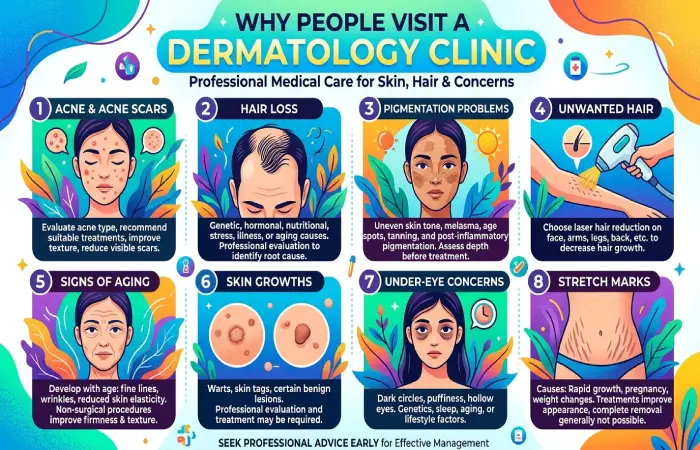
Skin and hair concerns can affect people of every age. Some conditions are temporary, while others may require professional medical care. Visiting a dermatologist helps identify the root cause instead of simply treating visible symptoms.
Some common reasons people visit a dermatology clinic include:
Acne and Acne Scars
Persistent acne may leave marks or scars after healing. Dermatologists evaluate the type of acne and recommend suitable treatments to improve skin texture and reduce visible scars.
Hair Loss
Hair thinning or excessive hair fall can occur because of genetics, hormonal imbalance, nutritional deficiencies, stress, illness, or aging. Professional evaluation helps identify the possible cause before treatment begins.
Pigmentation Problems
Uneven skin tone, melasma, age spots, tanning, and post-inflammatory pigmentation are common concerns. Dermatologists assess pigmentation depth before selecting an appropriate treatment.
Unwanted Hair
Many people choose laser hair reduction to decrease unwanted hair growth on areas such as the face, arms, underarms, legs, chest, or back.
Signs of Aging
Fine lines, wrinkles, loose skin, and reduced skin elasticity become more noticeable with age. Various non-surgical procedures are available to improve skin firmness and texture.
Skin Growths
Conditions such as warts, skin tags, and certain benign skin lesions may require professional evaluation and treatment.
Under-Eye Concerns
Dark circles, puffiness, and hollow eyes are common cosmetic concerns that may develop because of genetics, lack of sleep, aging, or lifestyle factors.
Stretch Marks
Rapid growth, pregnancy, bodybuilding, or sudden weight changes may cause stretch marks. Dermatology treatments aim to improve their appearance, although complete removal is generally not possible.
Seeking professional advice early often helps manage these concerns more effectively than relying only on home remedies.
Common Skin and Hair Concerns
Every person’s skin behaves differently. Environmental factors, genetics, hormones, nutrition, and daily habits all influence skin and hair health.
Some of the most common concerns include:
Acne Scars
Acne scars form when deeper layers of the skin become damaged during severe acne. They may appear as depressions, raised scars, or dark spots.
Pigmentation
Pigmentation develops when excess melanin is produced in certain areas of the skin. Common causes include sun exposure, hormonal changes, acne, and inflammation.
Uneven Skin Tone
Different areas of the face may appear darker because of tanning, pollution, or previous skin injuries.
Hair Thinning
Hair becomes thinner when follicles gradually shrink or stop producing healthy hair strands. This may occur in both men and women.
Pattern Hair Loss
Male and female pattern baldness usually develops gradually and often has a genetic component.
Sensitive Skin
Sensitive skin may react easily to cosmetics, environmental conditions, or skincare ingredients, causing redness or irritation.
Dark Circles
Dark circles may result from genetics, lack of sleep, allergies, dehydration, aging, or volume loss beneath the eyes.
Stretch Marks
Stretch marks commonly appear on the abdomen, thighs, hips, upper arms, and chest after rapid stretching of the skin.
Excessive Sweating
Some individuals experience sweating beyond normal body needs. This condition may affect daily comfort and confidence.
Unwanted Hair Growth
Frequent shaving, waxing, or threading may become time-consuming, leading many individuals to explore longer-lasting hair reduction methods.
Understanding the cause of each concern allows dermatologists to recommend more suitable treatment options.
Skin Consultation Process
A professional skin consultation is usually the first step before beginning any cosmetic or dermatological treatment. The purpose is to understand the patient’s skin condition and determine whether treatment is necessary.
Although the exact process may differ between clinics, a consultation generally includes the following stages:
Step 1: Medical History
The dermatologist asks about previous skin conditions, allergies, medications, surgeries, hormonal disorders, and family history.
Step 2: Skin Examination
The skin is examined carefully to evaluate texture, pigmentation, acne severity, scars, wrinkles, hydration, and overall skin health.
Step 3: Hair and Scalp Assessment
For hair concerns, the dermatologist may examine hair density, scalp condition, and possible signs of inflammation or nutritional deficiency.
Step 4: Understanding Patient Goals
Patients explain the improvements they hope to achieve. This helps the dermatologist recommend realistic treatment options.
Step 5: Treatment Planning
A customized treatment plan may include one procedure or a combination of therapies depending on the condition.
Step 6: Pre-Treatment Instructions
Patients may receive guidance regarding skincare products, medications, sun protection, or lifestyle changes before starting treatment.
Step 7: Follow-Up Care
Regular review appointments help monitor progress and adjust the treatment plan if necessary.
Professional consultation helps ensure that treatments are selected based on individual needs rather than trends or assumptions.
Overview Table of Treatments
| Treatment | Common Purpose | Typical Technology Used |
| Acne Scar Treatment | Improve skin texture and reduce acne scars | Microneedling, lasers, chemical peels, subcision |
| Hair Loss Treatment | Reduce hair fall and encourage hair growth | PRP therapy, mesotherapy, laser therapy |
| Skin Lightening | Improve uneven skin tone and pigmentation | Laser toning, glutathione therapy, chemical peels |
| Laser Hair Removal | Long-term reduction of unwanted hair | Diode laser technology |
| Skin Whitening | Reduce tanning and pigmentation | Laser treatments and dermatology procedures |
| Dark Circle Treatment | Improve under-eye appearance | Fillers, laser therapy, skin rejuvenation |
| Stretch Mark Treatment | Improve stretch mark appearance | RF microneedling and collagen stimulation |
| Wart Removal | Remove benign skin growths | Radiofrequency or laser procedures |
| Ultherapy | Skin tightening without surgery | Focused ultrasound technology |
| Hyperhidrosis Treatment | Reduce excessive sweating | Medical injectables and dermatologist-guided procedures |
| Weight Management Procedures | Support body contour improvement | Non-surgical body contouring technologies |
Understanding these treatments helps patients discuss their options more confidently during a dermatology consultation. The most suitable procedure depends on the individual’s skin condition, health status, and treatment goals rather than a single standard solution.
Skin and Hair Treatments Available at Derma Med Spa – Alwa
Modern dermatology offers several treatment options for different skin and hair concerns. The right treatment depends on the condition, skin type, medical history, and the goals discussed during the consultation. Below are some of the commonly performed treatments and how they generally work.
Acne Scar Treatment
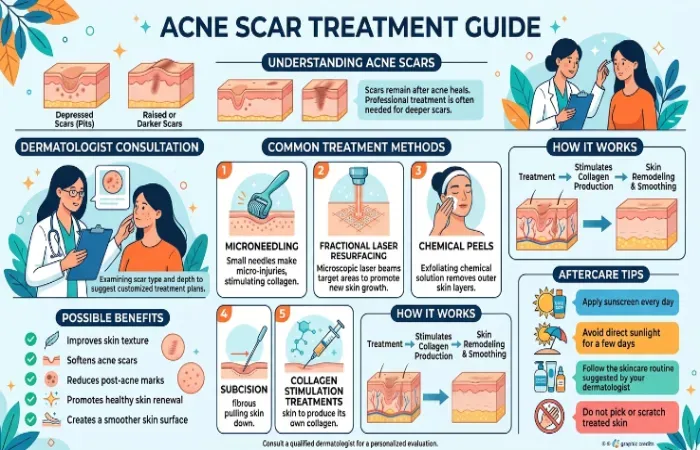
Acne scars can remain long after active acne has healed. Some scars appear as small pits in the skin, while others look raised or darker than the surrounding skin. Although creams may improve skin texture slightly, deeper scars often require professional treatment.
Dermatologists usually examine the type and depth of the scars before suggesting a treatment plan. Some people may benefit from a single procedure, while others may need a combination of treatments over several months.
Common treatment methods include:
- Microneedling
- Chemical peels
- Fractional laser resurfacing
- Subcision
- Collagen stimulation treatments
These procedures aim to encourage the skin to produce new collagen. Over time, collagen helps smooth uneven skin and improve the appearance of scars.
Possible benefits
- Improves skin texture
- Softens acne scars
- Reduces post-acne marks
- Promotes healthy skin renewal
- Creates a smoother skin surface
Aftercare Tips
- Apply sunscreen every day.
- Avoid direct sunlight for a few days.
- Follow the skincare routine suggested by your dermatologist.
- Do not pick or scratch treated skin.
People looking to improve acne scars can also learn more about different treatment options in our guide on acne scar treatments.
Skin Lightening Treatment
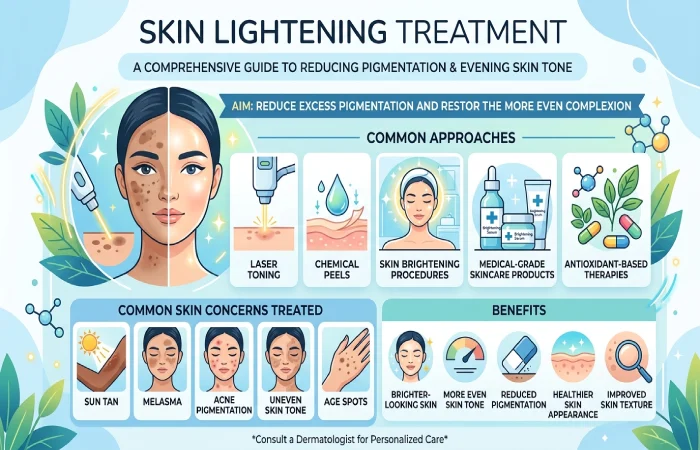
Many people experience uneven skin tone because of sun exposure, hormonal changes, acne marks, or pigmentation disorders. Skin lightening treatments aim to reduce excess pigmentation and improve overall skin brightness.
Rather than changing a person’s natural skin color, these procedures focus on reducing unwanted dark patches and restoring a more even complexion.
Several treatment options may be used depending on the severity of pigmentation.
Common approaches include
- Laser toning
- Chemical peels
- Skin brightening procedures
- Medical-grade skincare products
- Antioxidant-based therapies
Each treatment plan is usually customized after examining the patient’s skin type and pigmentation pattern.
Common skin concerns treated
| Skin Concern | Description |
| Sun tan | Darkening caused by UV exposure |
| Melasma | Hormonal pigmentation patches |
| Acne pigmentation | Dark marks after acne heals |
| Uneven skin tone | Irregular skin color |
| Age spots | Pigmentation caused by aging |
Benefits
- Brighter-looking skin
- More even skin tone
- Reduced pigmentation
- Healthier skin appearance
- Improved skin texture
Skin Whitening Treatment
Skin whitening treatments are often recommended for individuals with stubborn pigmentation, tanning, or discoloration that does not improve with regular skincare products.
These procedures generally use dermatologist-approved techniques to target excess melanin, which is responsible for darker patches on the skin.
Treatment plans may include laser procedures, chemical exfoliation, or prescription skincare depending on individual needs.
It is important to understand that healthy skin is the main goal. Results vary from person to person, and no treatment can permanently change a person’s natural skin color.
Good skincare habits include
- Daily sunscreen use
- Drinking enough water
- Gentle cleansing
- Moisturizing regularly
- Avoiding excessive sun exposure
These habits help maintain treatment results over time.
Laser Hair Removal
Laser hair removal is a popular option for reducing unwanted hair growth. The procedure uses concentrated light energy to target hair follicles beneath the skin.
The laser heats the follicle while protecting the surrounding skin. Over several treatment sessions, hair growth becomes slower, finer, and less noticeable.
Hair grows in different stages, so multiple sessions are usually required to treat follicles during their active growth phase.
Areas commonly treated
- Face
- Upper lip
- Chin
- Underarms
- Arms
- Legs
- Chest
- Back
- Bikini area
Advantages
- Long-lasting hair reduction
- Less frequent shaving
- Reduced ingrown hairs
- Smoother skin
- Quick treatment sessions
Things to remember
- Results vary between individuals.
- Several sessions are usually needed.
- Sun protection is recommended after treatment.
- Hair should not be waxed before laser sessions unless advised by the dermatologist.
Hair Loss Treatment
Hair fall is one of the most common reasons people visit dermatology clinics. Hair loss can affect both men and women and may occur because of genetics, stress, hormonal imbalance, nutritional deficiencies, illness, or aging.
Before recommending treatment, dermatologists usually identify the underlying cause through a scalp examination and medical history.
Treatment options may differ depending on the diagnosis.
Common treatment methods
- Platelet-Rich Plasma (PRP)
- Mesotherapy
- Low-level laser therapy
- Prescription medicines
- Nutritional support
These treatments aim to strengthen existing hair follicles and encourage healthier hair growth.
If your hair loss is related to hormonal changes, you may also find our article on hormonal hair loss helpful.
Hair conditions commonly treated
| Hair Condition | Description |
| Male pattern hair loss | Genetic hair thinning in men |
| Female hair thinning | Gradual reduction in hair density |
| Stress-related hair fall | Temporary shedding caused by stress |
| Hormonal hair loss | Hair loss linked to hormonal imbalance |
| Post-pregnancy hair fall | Temporary hair shedding after childbirth |
| Alopecia | Hair loss affecting specific areas |
Hair care tips
- Eat a balanced diet.
- Avoid excessive heat styling.
- Keep the scalp clean.
- Manage stress.
- Avoid harsh chemical treatments.
Healthy daily habits can support professional treatment and improve overall hair health.