

Cardiovascular health- leftovers are of the greatest concern globally and many are paying close attention to this deadly epidemic. Health consumers are increasingly taking charge and beginning to take action, including the investigation of natural strategies to optimize heart health. One of the key search terms individuals have used to find information on the topic of heart health naturally has been AllWellHealthOrganic.com heart health.
This article deliberates all aspects of AllWellHealthOrganic.com heart health, including how to prevent heart disease, what kind of diet people should follow, how to implement exercise and lifestyle habits into a lifestyle that supports a healthy heart, and scientifically proven ways to promote heart health. For those who want to know how to take charge of their health & safeguard a healthy cardiovascular system in the future, read below.
Table of Contents
What Is AllWellHealthOrganic.com Heart Health?
AllWellHealthOrganic.com heart health generally refers to the information and educational materials related to making smarter health decisions for a strong, healthy heart.
Public searching this keyword are often look for info about:
- Natural heart care
- Healthy nutrition
- Organic foods
- Blood pressure management
- Cholesterol reduction
- Exercise routines
- Preventive healthcare
- Daily wellness habits
No. You don’t achieve optimum heart health by finding a magic answer, rather through: healthful foods, exercise and recreation, adequate rest, control of stress and consistent care. You aren’t merely aiming for lack of disease, rather striving to optimize cardiovascular performance and live a longer, healthier life.
Why Heart Health Matters
It pumps nutrient-rich blood all around your body, night and day. All of the organs in your body – including your brain, kidneys, digestive system, muscles – are relying on your heart to work efficiently.
Poor heart health can contribute to numerous conditions, including:
- Coronary artery disease
- Heart attack
- Stroke
- High blood gravity
- Heart failure
- Irregular heartbeat
- Peripheral artery disease
Luckily, much of these health issues that affect our hearts are preventables through modifying your daily living habits. Study after study proves that a good living choice may lessen the risk of cardiovascular issues.
Understanding How Your Heart Works
The human heart is the muscular organ unevenly the size of a fist.
Its primary responsibilities include:
- Pumping blood throughout the body
- Delivering oxygen to tissues
- Removing carbon dioxide
- Circulating nutrients
- Supporting immune function
- Maintaining the healthy blood pressure
The heart contains four chambers:
| Chamber | Function |
| Right Atrium | Receives oxygen-poor blood |
| Right Ventricle | Pumps blood to the lungs |
| Left Atrium | Receives oxygen-rich blood |
| Left Ventricle | Pumps oxygenated blood throughout the body |
Healthy arteries allow blood to flow efficiently.
Plaque restricts circulation within arteries and can raise the possibility of heart attacks and strokes.
Why Cardiovascular Disease Is Increasing
Modern way of life introduced a number of things that are harming your heart health.
These include:
- Sedentary work
- Processed food consumption
- High sugar intake
- Smoking
- Excess alcohol
- Chronic stress
- Poor sleep
- Obesity
- Diabetes
- High blood pressure
Most of these hazards are slow-developing and you wouldn’t be able to sense it coming over the course of years.
Major Risk Factors for Heart Disease
Knowing your individual risk factors allows you to take charge of your health choices.
1. High Blood Pressure
Known as “the silent killer,” hypertension can gradually weaken your arteries without you even realizing it.
Persistent high blood pressure forces the heart to work harder, increasing the risk of:
- Heart attack
- Stroke
- Kidney disease
- Heart failure
Regular blood pressure monitoring is essential.
2. High Cholesterol
High levels of the so-called “bad” cholesterol, or LDL, lead to plaque build-up inside arteries.
Over time, this can restrict blood flow. Conversely, the “good” cholesterol, HDL, is responsible for taking unwanted cholesterol out of your bloodstream.
Keeping a healthy equilibrium is one of the most significant factors of heart health.
3. Diabetes
Elevated blood sugar damages blood vessels and increases inflammation.
People living with diabetes have a significantly higher risk of cardiovascular disease.
Managing blood sugar through diet, exercise, medication (when prescribed), and routine monitoring is crucial.
4. Smoking
Smoking damages nearly every part of the cardiovascular system.
It:
- Narrows arteries
- Raises blood pressure
- Reduces oxygen delivery
- Increases clot formation
- Accelerates plaque buildup
Quitting smoking is one of the most impactful decisions for improving heart health.
5. Obesity
Excess body weight increases the workload on the heart.
Obesity is associated with:
- High cholesterol
- High blood pressure
- Diabetes
- Sleep apnea
- Chronic inflammation
Even modest weight loss can improve cardiovascular health.
6. Physical Inactivity
Regular movement strengthens the heart muscle.
Lack of exercise contributes to:
- Weight gain
- Poor circulation
- Elevated blood pressure
- Insulin resistance
Adults should aim for consistent physical activity each week according to healthcare recommendations.
7. Chronic Stress
Stress hormones can affect:
- Blood pressure
- Heart rate
- Sleep quality
- Eating habits
- Immune function
Managing stress is often overlooked but remains an important part of heart wellness.
Early Warning Signs of Heart Problems
Some heart conditions develop gradually.
Watch for symptoms such as:
- Chest discomfort
- Shortness of breath
- Fatigue
- Swollen legs
- Dizziness
- Rapid heartbeat
- Irregular heartbeat
- Pain spreading to the arm or jaw
- Unexplained sweating
Any sudden or severe symptoms require immediate medical attention.
Benefits of Maintaining Good Heart Health
Healthy cardiovascular habits support your entire body.
Benefits include:
Better Energy
Efficient circulation delivers oxygen more effectively, helping reduce fatigue.
Improved Brain Function
Healthy blood flow supports memory, concentration, and cognitive performance.
Lower Disease Risk
Maintaining cardiovascular health reduces the likelihood of:
- Stroke
- Heart attack
- Diabetes complications
- Kidney disease
Longer Life Expectancy
The research clearly shows that a healthy lifestyle will lengthen and better your lif.
Better Physical Performance
The better heart lets you work out without much of a discomfort and to take recovery from the stress quickly.
Common Heart Health Myths
Myth 1: Only Older Adults Get Heart Disease
In the same report on younger adults who were diagnosed with cardiovascular diseases, one was smoking, another was obese, another one had diabetes and the other one was dealing with high blood pressure.
Myth 2: Thin People Can’t Have Heart Problems
Cardiovascular risk doesn’t solely come down to the numbers on the scale. You can have genes, cholesterol, blood pressure, diet and activity levels that work together for your overall cardiovascular health.
Myth 3: Supplements Can Replace Healthy Eating
It’s really true that no supplement is going to replace a good diet, exercise, and lifestyle.
Myth 4: Exercise Must Be Intense
Moderate activities such as brisk walking, cycling, swimming, or dancing can provide significant cardiovascular benefits when performed consistently.
Myth 5: Heart Disease Always Causes Chest Pain
Symptoms may be less noticeable in certain individuals (like women, the elderly or those with diabetes), and you may only experience symptoms such as shortness of breath, nausea, chest pain or pain in your neck, jaw or back.
Natural Ways to Improve Heart Health
Your heart doesn’t need all or nothing treatment. Lifestyle changes are simple improvements in how you live today which can lower your chances of getting cardiovascular disease in the future. A well rounded lifestyle with good food, activity, sleep, stress reduction, and checkups is your heart’s best friend.
Here’s an article about habits which are evidence based and benefit heart health for the long term.
Eat a Heart-Healthy Diet
Your diet plays one of the biggest roles in cardiovascular wellness. The foods you choose every day influence blood pressure, cholesterol levels, blood sugar, inflammation, and body weight.
A heart-friendly diet focuses on whole, minimally processed foods while limiting excess sugar, unhealthy fats, and sodium.
Foods That Support Heart Health
Include plenty of:
- Fresh vegetables
- Seasonal fruits
- Whole grains
- Legumes
- Nuts
- Seeds
- Fish
- Skinless poultry
- Low-fat dairy (if suitable)
- Healthy plant oils like olive oil
These foods provide essential nutrients such as:
- Fiber
- Potassium
- Magnesium
- Omega-3 fatty acids
- Antioxidants
- Vitamins and minerals
Together, they help maintain healthy arteries and improve circulation.
Best Heart-Healthy Foods
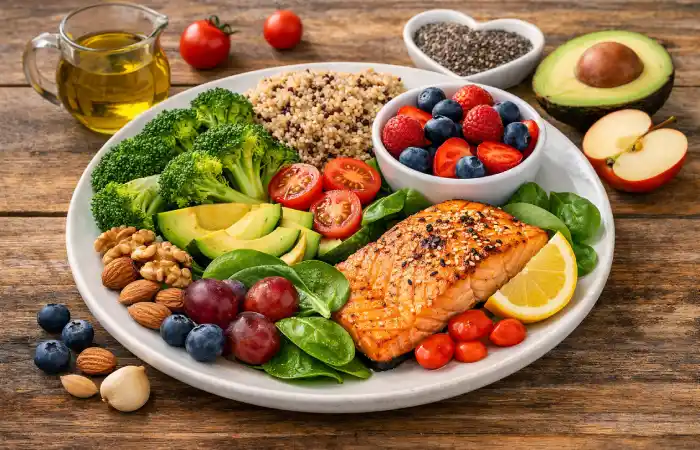
1. Leafy Green Vegetables
Spinach, kale, mustard greens, and other leafy vegetables are rich in vitamins, minerals, and dietary nitrates that support healthy blood vessels.
Benefits include:
- Improved circulation
- Better blood pressure regulation
- High antioxidant content
- Increased fibre intake
Aim to include leafy greens several times each week.
2. Oats
Oats are an excellent source of soluble fibre, particularly beta-glucan.
Regular consumption may help:
- Lower LDL (“bad”) cholesterol
- Improve digestive health
- Promote fullness
- Support healthy blood sugar levels
A bowl of oatmeal topped with fruit and nuts makes a nutritious breakfast.
3. Berries
Blueberries, strawberries, raspberries, and blackberries contain antioxidants that help reduce oxidative stress and inflammation.
Potential benefits include:
- Supporting healthy blood vessels
- Improving vascular function
- Providing vitamin C and fiber
Fresh or frozen berries can be added to yogurt, oatmeal, or smoothies.
4. Fatty Fish
Fish such as salmon, sardines, mackerel, and trout are rich in omega-3 fatty acids.
These healthy fats may help:
- Lower triglycerides
- Support normal heart rhythm
- Reduce inflammation
- Promote overall cardiovascular health
Including fish once or twice a week can be part of a balanced diet.
5. Nuts
Almonds, walnuts, pistachios, and other unsalted nuts provide healthy fats, protein, and minerals.
Benefits include:
- Improved cholesterol profile
- Better satiety
- Heart-healthy fats
- Magnesium and vitamin E
Because nuts are calorie-dense, moderation is important.
6. Beans and Lentils
Legumes are affordable, nutrient-rich sources of:
- Protein
- Fiber
- Iron
- Potassium
- Folate
Replacing some meat-based meals with beans or lentils may help reduce saturated fat intake.
7. Olive Oil
Extra virgin olive oil is widely used in heart-conscious eating patterns.
It contains:
- Monounsaturated fats
- Polyphenols
- Antioxidants
Use it for salads, roasted vegetables, or light cooking.
8. Avocados
Avocados contain heart-friendly monounsaturated fats along with potassium and fiber.
Enjoy them in moderation as part of sandwiches, salads, or spreads.
Foods That May Increase Heart Disease Risk
No single food causes heart disease, but regularly consuming highly processed foods can contribute to risk factors such as high cholesterol, obesity, and hypertension.
Limit:
- Deep-fried foods
- Sugary beverages
- Processed meats
- Packaged snacks
- Refined sweets
- Excess salt
- Foods high in trans fats
- Highly processed fast food
An occasional treat is generally fine for most people, but everyday eating patterns matter most.
Understanding Healthy Fats
Not all fats are harmful.
Healthier Fat Sources
Choose more of:
- Olive oil
- Nuts
- Seeds
- Avocados
- Fatty fish
Limit These
Reduce intake of:
- Trans fats
- Excess saturated fat
- Repeatedly reheated cooking oils
Swapping out the unhealthiest kinds of fats for some of the healthiest fats in the diet can, over a lifetime, contribute to a more optimal cholesterol count.
The Importance of Dietary Fiber
Fiber supports the cardiac health in several ways.
Benefits include:
- Lower LDL lipid
- Better blood sugar control
- Improved digestion
- Increased roundness after meals
Good Fiber bases include:
- Fruits
- Vegetables
- Oats
- Brown rice
- Whole wheat
- Beans
- Lentils
- Chickpea plant
Adults should struggle to include Fiber-rich foods at every meal.
Reduce Excess Sodium
Too much Na may contribute to elevated blood weight in many persons.
Ways to the lower sodium eating include:
- Cooking at home more often
- Reading food labels
- Choosing fresh foods
- Limiting packaged meals
- Using herbs and spices instead of excessive salt
Flavourful alternatives include:
- Lemon juice
- Garlic
- Ginger
- Black pepper
- Fresh herbs
Stay Hydrated
Good hydration helps with the whole lot from circulation to other physical functions. The amount of water you need to drink will vary with age, activity level, & environment, but meeting hydration needs will donate to a healthy lifestyle.
Good hydration may help:
- Maintain normal circulation
- Support exercise performance
- Prevent dehydration-related fatigue
Water should generally be your primary beverage.
Exercise for a Healthy Heart
Regular physical activity strengthens the heart muscle and improves overall cardiovascular fitness.
Exercise helps:
- Lower blood pressure
- Improve cholesterol balance
- Manage body weight
- Enhance circulation
- Reduce stress
- Improve insulin sensitivity
The best exercise is one you can maintain consistently.
Aerobic Activities
Excellent choices include:
- Brisk walking
- Jogging
- Cycling
- Swimming
- Dancing
- Hiking
These activities improve heart and lung function while burning calories.
Strength Training
Building muscle supports metabolism and overall health.
Examples include:
- Bodyweight exercises
- Resistance bands
- Free weights
- Weight machines
Strength training complements aerobic exercise and supports healthy aging.
Daily Movement Matters
Even if you have a desk job, reducing prolonged sitting can benefit heart health.
Simple ideas include:
- Walking during phone calls
- Taking the stairs
- Stretching every hour
- Parking farther away
- Short walks after meals
These small habits can add up throughout the day.
Maintain a Healthy Weight
Weight management is about long-term habits rather than short-term diets.
Healthy strategies include:
- Balanced meals
- Portion awareness
- Regular exercise
- Consistent sleep
- Managing stress
Avoid extreme diets that promise rapid results but are difficult to sustain.
Sleep and Heart Health
Quality sleep is closely linked to cardiovascular wellness.
Poor sleep may affect:
- Blood pressure
- Hormone balance
- Appetite regulation
- Blood sugar control
- Inflammation
Healthy sleep habits include:
- Going to bed at a consistent time
- Limiting screens before bedtime
- Creating a quiet sleeping environment
- Avoiding large meals late at night
The recommended amount of sleep for adults typically ranges from 7 to 9 hours per night. Individual sleep needs can differ.
Manage Stress Effectively
Heart Health & Long-Term Stress It affects your physical responses and behaviours.
Healthy stress-management techniques include:
- Deep breathing exercises
- Meditation
- Yoga
- Spending time outdoors
- Reading
- Listening to music
- Connecting with family and friends
- Practicing gratitude
Discovering a stress-relief technique suited to your way of life could do wonders for your overall health, physical and mental.
Avoid Tobacco and Limit Alcohol
Smoking harms your blood vessels and is a huge risk factor for heart disease. Quitting smoking is beneficial at any age. If you choose to drink alcohol, do it moderately, following your doctor’s advice. It can increase your blood pressure and interact with your medicine.
Monitor Your Health Regularly
Make preventive health care your friend. Preventive screenings can identify risks before they progress.
Consider discussing these with your healthcare provider:
- Blood pressure
- Cholesterol levels
- Blood sugar
- Body weight
- Family history of heart disease
- Lifestyle habits
Early detection often leads to better outcomes.
Can Supplements Improve Heart Health?
Many visitors who have come to AllWellHealthOrganic.com for heart health care were seeking supplements. In order for you to maintain good cardiovascular health you need a properly balanced and nutritious diet; an exercise regimen; and treatment for any specific health issues by your physician. No one can make a difference for you with heart conditions except you and your doctor. It’s imperative to discuss with your physician prior to starting any supplements, in particular if you are dealing with heart conditions, are on blood thinner drugs, or take prescription medications for high blood pressure or diabetes. For more related articles visit our website
Common Heart Health Supplements
Omega-3 Fatty Acids
Fish oil or omega 3 supplements may be suitable for some individuals not getting enough oily fish in their diet. They can assist to maintain healthy triglyceride levels, and you should check with your healthcare professional as to suitable types and dosages.
Fiber Supplements
In instances of dietary low fiber, Fiber supplements could offer benefits for the health of your digestive health and to your heart health and cholesterol.
Plant Sterols and Stanols
These naturally occurring compounds have been shown to lower your levels of LDL (“bad”) cholesterol as a component of a heart-healthy diet.
Magnesium
Your muscles and nerves-including your heart-require magnesium for them to function properly. You may want to add the supplement to your diet if you are low in Mg, but only once you speak to a health specialized.
Coenzyme Q10 (CoQ10)
Some individuals, predominantly those taking certain cholesterol-lowering medications, discuss CoQ10 with their healthcare provider. Evidence for its benefits varies, and it should not be used as a substitute for set treatment.
Foods to Limit for Better Heart Health
Don’t ditch whole food groups-just scale back on those that increase sodium, unhealthy fats, and added sugars.
These include:
- Processed meats (sausages, bacon, salami)
- Sugary soft drinks
- Candy and sweets
- Bakery items high in trans fats
- Fast food meals
- Deep-fried foods
- Packaged snacks
- High-sodium instant noodles
- Processed frozen meals
- Excessive butter and cream
Moderation it is. Sustainable eating patterns are more efficient than restrictive diet plan.
A Sample Daily Heart-Healthy Routine
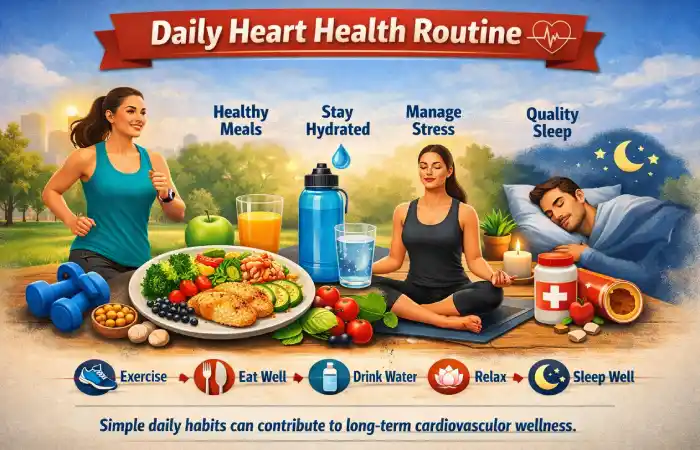
Here is the simple way you could include the habits you find friendly to your heart.
| Time | Activity |
| 7:00 AM | Wake up and drink a glass of water |
| 7:30 AM | 30-minute brisk walk or light exercise |
| 8:15 AM | Oatmeal with berries and nuts |
| 10:30 AM | Fresh fruit snack |
| 1:00 PM | Balanced lunch with vegetables, whole grains, and lean protein |
| 3:30 PM | Stretch or take a short walk |
| 5:30 PM | Light strength training or yoga |
| 7:00 PM | Healthy dinner with legumes or fish and vegetables |
| 9:00 PM | Relaxation, reading, or meditation |
| 10:00 PM | Sleep |
This monotonous can be adjusted to fit your schedule and fitness level.
Common Mistakes That Can Affect Heart Health
There is every chance that while people believe that they are choosing the correct behaviors to adopt in their quest for a healthy lifestyle, in reality they may be making very harmful cardiovascular health choices.
Avoid these mutual mistakes:
- Skipping breakfast regularly
- Eating large late-night meals
- Sitting for long periods without movement
- Ignoring high blood pressure because there are no symptoms
- Relying on supplements instead of healthy habits
- Drinking sugary beverages daily
- Smoking or using tobacco products
- Not getting enough sleep
- Avoiding regular health screenings
- Following extreme or fad diets
Consistency is more important than excellence.
Who Should Pay Extra Attention to Heart Health?
Everybody gains from good habits that encourage a strong heart, however these lifestyle habits can make all the difference in the world for individuals who:
- Have high blood pressure
- Have high cholesterol
- Live with diabetes
- Are overweight or obese
- Smoke
- Have a family history of heart disease
- Lead a sedentary lifestyle
- Experience chronic stress
- Are over the age of 40 (though prevention should start earlier)
If you identify with any or all of these categories, the role of check-ups and a change of habit will even more appreciated.
Conclusion
Searching the term AllWellHealthOrganic.com heart health can indicate you’re looking for information on preventive health & natural methods to improve heart health. However, the info available online can be helpful in teaching about heart health, it’s crucial to recall that a heart-healthy lifestyle depends on the same basics: adequate sleep, bodybuilding & a healthy diet, and avoidance of baccy & stress. Making changes over the years for better heart health: If you are pointing to take on better heart health, that’s wonderful.
Making gradual, incremental variations & remaining watchful is what can have the greatest impact.
Keeping an eye on such things as weight, and cholesterol levels can help you be in the know when it originates to your heart.